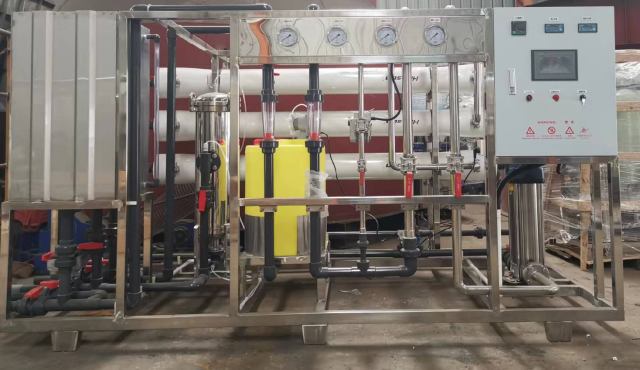
| Description of Electrocoating Equipment for the Anodizing Production Line |
||
|
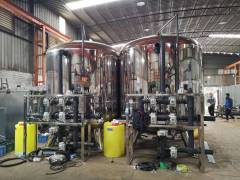
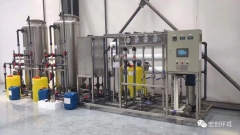
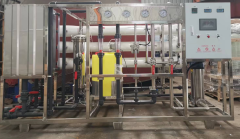
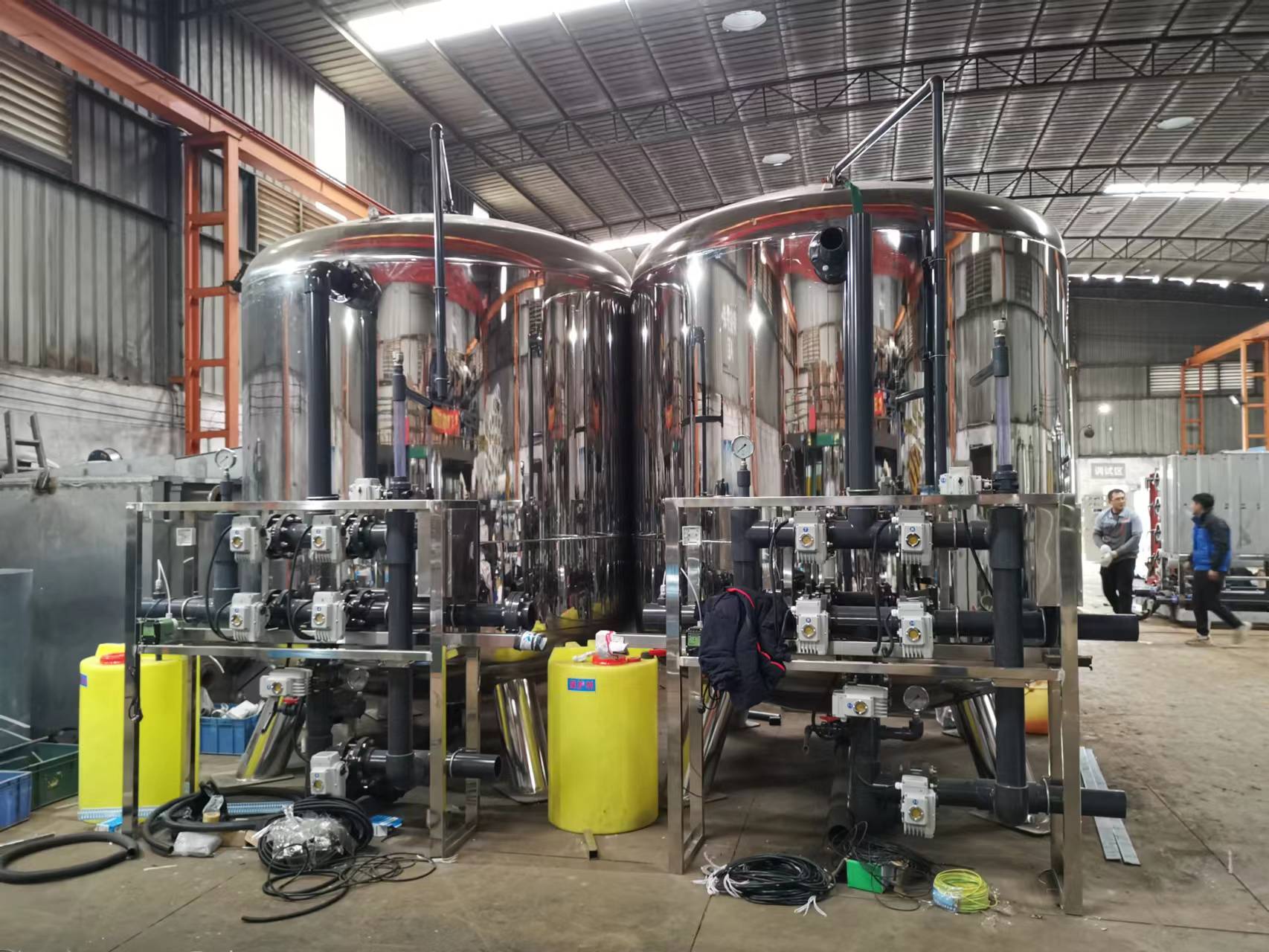
Electrophoresis equipment matched for anodizing production lines serves as core post-processing facility following anodizing, coloring and sealing processes. It is mainly applied to aluminum and aluminum alloy profiles after anodic oxidation to form a uniform, compact and high-adhesion electrophoretic coating on substrate surfaces. The coating improves corrosion resistance, enhances decorative appearance and extends service life of finished parts. This equipment is widely used in deep-processing fields of architectural aluminum extrusions, auto spare parts, electronic casings and hardware accessories after anodizing treatment. |
||
|
Core Definition & Application |
This equipment is specially designed anodizing electrophoresis equipment for aluminum anodizing process (suitable for electrophoresis after aluminum anodization; the profile serves as anode while the electrode inside the electrophoresis tank acts as cathode). Its core function is to deposit electrophoretic paint evenly on workpiece surfaces via electric field after the workpieces undergo anodizing and sealing treatments, forming an organic coating with controllable film thickness and smooth surface finish. |
|
|
Overall Equipment Composition by Technological Process |
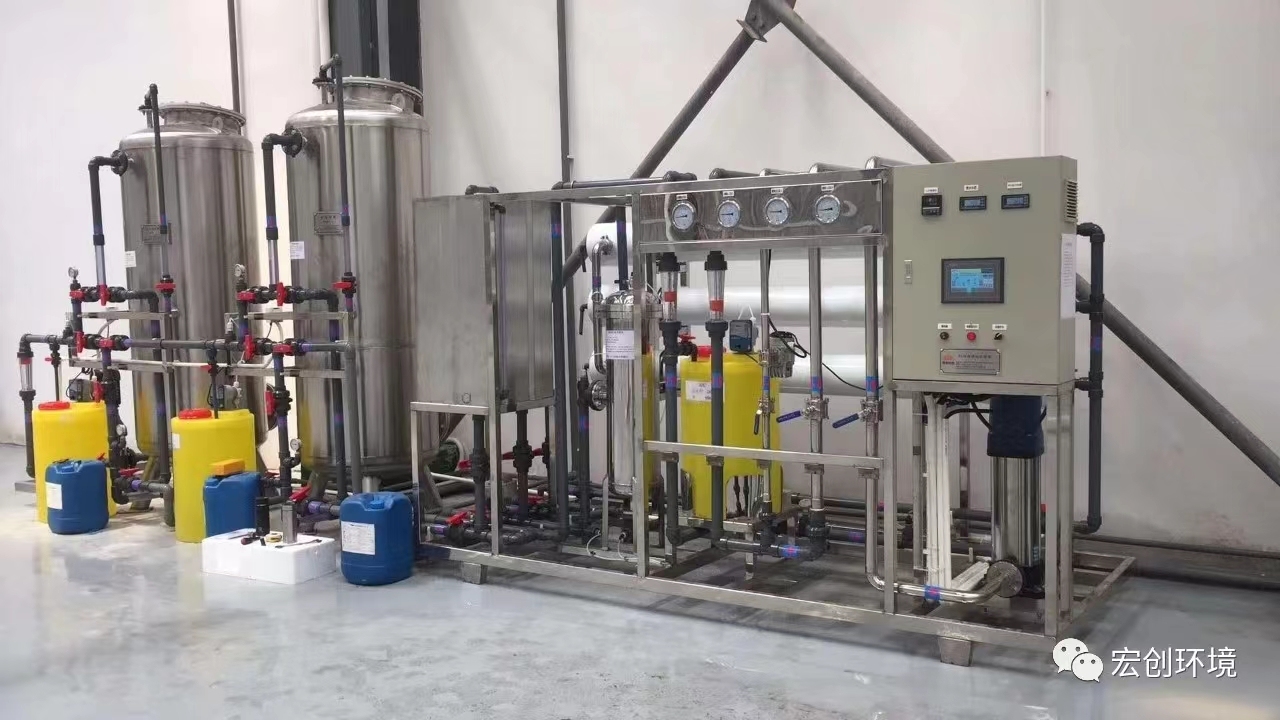
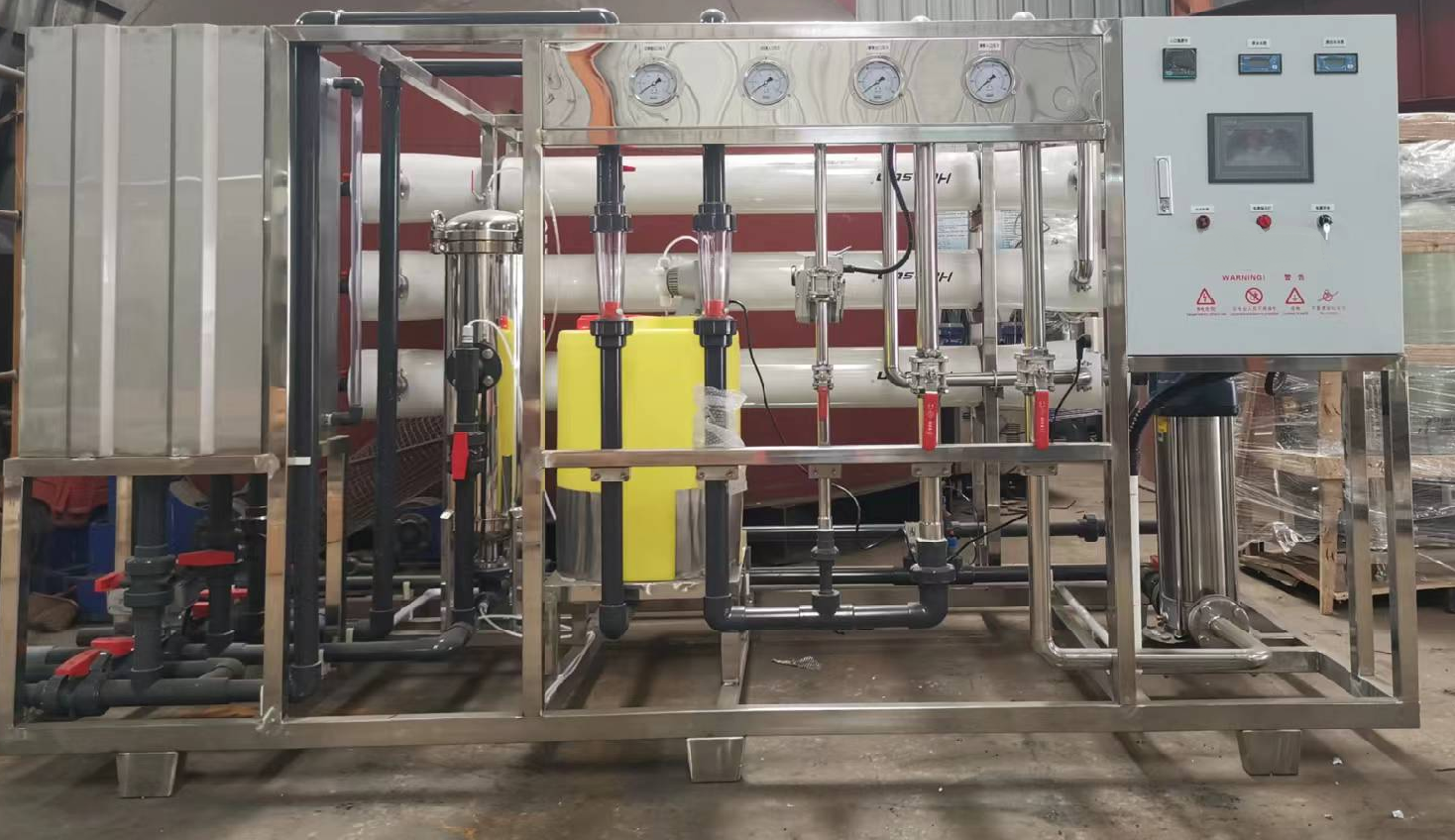
The equipment adopts modular skid-mounted design and can realize synchronous linkage with the anodizing production line. It is composed of five major modules: main electrophoresis unit, pre-treatment unit, post-treatment unit, intelligent control unit and auxiliary unit. All modules operate coordinately to guarantee stable and efficient electrophoretic process. All components contacting electrophoretic paint and workpieces are manufactured from anti-corrosion materials to resist corrosion from electrophoretic coating and pre-treatment chemicals, meanwhile facilitating daily equipment maintenance. |
|
|
Equipment principle |
Poflies transfer |
The profiles finished with anodizing, coloring and sealing are automatically conveyed to the electrophoresis pre-treatment unit by transport mechanism without manual intervention. |
|
Preliminary treatment |
The profiles should go through cold water rinsing and pure water rinsing sequentially to eliminate residual sealing agent, moisture and surface contaminants. Special profiles may be processed in an activation tank to improve coating adhesion. Afterwards, surface moisture is blown off by air-drying equipment to guarantee clean and dry workpiece surface. |
|
|
Electrophoretic deposition |
Qualified pre-treated profiles are suspended on hanging jigs and transferred into the electrophoresis tank. With workpieces serving as the anode and stable adjustable DC electric field (100–300 V) applied to the cathode electrodes inside the tank, charged particles such as resin and pigment contained in electrophoretic paint migrate toward workpiece surfaces and deposit under electric field to form a uniform wet film. The thickness of wet film can be adjusted by modifying electric field intensity and electrophoresis duration. |
|
|
Final treatment |
The profiles after electrophoresis first rinsed with pure water to remove excess undeposited paint on surfaces, then move into the curing oven. Under preset temperature and holding time, the wet film is cured into compact dry coating. After curing, products are cooled down by cooling equipment and finished with trimming devices to eliminate surface defects. |
|
|
Finished Product |
Qualified profiles are transported to the subsequent packaging section via conveying mechanism to complete the whole electrophoretic treatment process. |
|
|
Closed-loop Control |
The intelligent control unit monitors real-time process parameters of each working section, including temperature, pH value, liquid level and electric field intensity. The system automatically adjusts the operating status of relevant equipment to stabilize electrophoretic coating quality when parameter deviation occurs. Meanwhile, all operating data is recorded for quality traceability. |
|
|
Equipment technical feature
|
Strong Compatibility |
Designed specifically for anodizing production lines, it can be applied different specifications and different oxide film thicknesses of aluminum and aluminum alloys, and is compatible with the electrophoretic requirements after various processes such as sulfuric acid anodizing and hard anodizing. |
|
Digital Management & Control |
Adopting PLC closed-loop control, the equipment enables accurate setting and automatic adjustment of process parameters, supports remote monitoring and data traceability, reduces manual intervention and improves production consistency. |
|
|
Anti-corrosion and durable |
All components in contact with paints and chemicals are made of anti-corrosion materials such as PP/PE, stainless steel and titanium alloy, featuring excellent resistance to acid, alkali and anodize. This design extends equipment service life and cuts maintenance costs. |
|
|
Quality stable |
With precise electric field control, paint circulation system and optimized pre-treatment process, the equipment delivers uniform, compact electrophoretic coating with strong adhesion and free from defects such as sagging and pinholes. Its salt spray resistance can exceed 1000 hours. |
|
|
Energy saving and environment protection |
Hot-air circulating curing oven is adopted for low energy consumption. Wastewater is collected centrally to facilitate environmental treatment, while electrophoretic paint is recycled to reduce raw material waste, complying with green production standards. |
|
|
Easy Maintenance |
Designed in modular structure, each unit can operate independently for convenient inspection and maintenance. Equipped with a user-friendly touch screen interface, the system allows operators to master operation rapidly. |
|
| Equipment Application and Process Requirements |
||
|
Equipment application |
The equipment is mainly matched with anodizing production lines for aluminum and aluminum alloys, applied to post-electrophoresis treatment of architectural profiles, auto parts, electronic casings, hardware fittings and furniture accessories. It can process profiles in flat, profile and special-shaped forms, and the applicable workpiece dimensions can be customized according to production line requirements. |
|
|
Process requirements |
Pre-treatment requirement |
The proflies finished anodizing and sealing shall be free of residual chemicals, grease, moisture and contaminants on surface, with uniform oxide film thickness ranging commonly from 5 μm to 20 μm and free from damages, pinholes and other defect. |
|
Electrophoretic coating requirements |
Cathodic electrophoretic paint applicable to anodized aluminum is adopted, with paint concentration controlled at 10%~15%, pH value between 6.5~7.5 and bath temperature maintained within 20~30℃. |
|
|
Curing condition |
Curing temperature ranges from 120℃ to 180℃ with curing time of 15–30 minutes; The specific parameters should be adjusted according to coating thickness and paint. |
|
|
Enviroment condition |
The equipment operating temperature shall be 10℃~40℃ and relative humidity ≤85% without condensation. The workshop shall be free of flammable, explosive and corrosive gases to guarantee stable equipment operation and qualified electrophoresis finish. |
|
|
Yearly maintance |
To conduct overall anti-corrosion inspection of the equipment and timely apply anti-corrosion coating on damaged areas if replace wearing parts including electrophoresisumps and filters. Calibrate the intelligent control unit to guarantee precise control performance. |
|