|
Technical Specifications |
||||||||||||||||||||||||||||||||||||||||||||||||||||||||||||||||||||||||||||||||||||||||||||||||||||
| In today's world where various resources are relatively lacking and environmental protection requirements are getting higher and stricter, manufacturers in all industries around the world are striving to find energy-saving and environmentally friendly production methods.
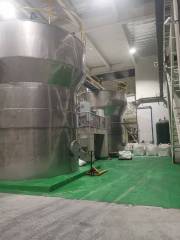
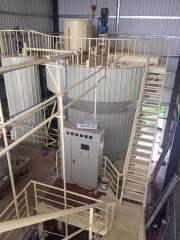
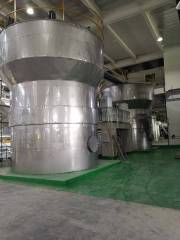
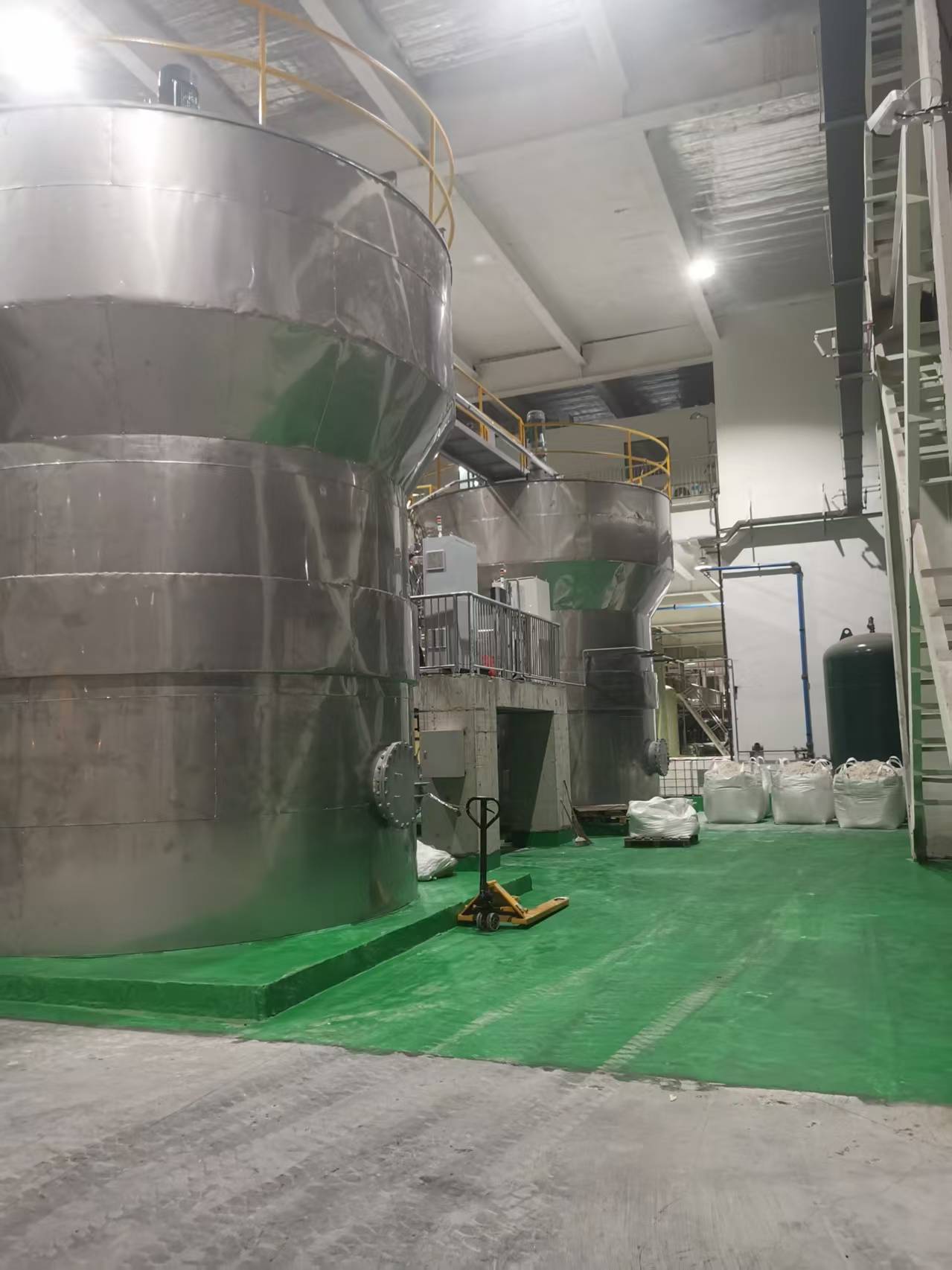
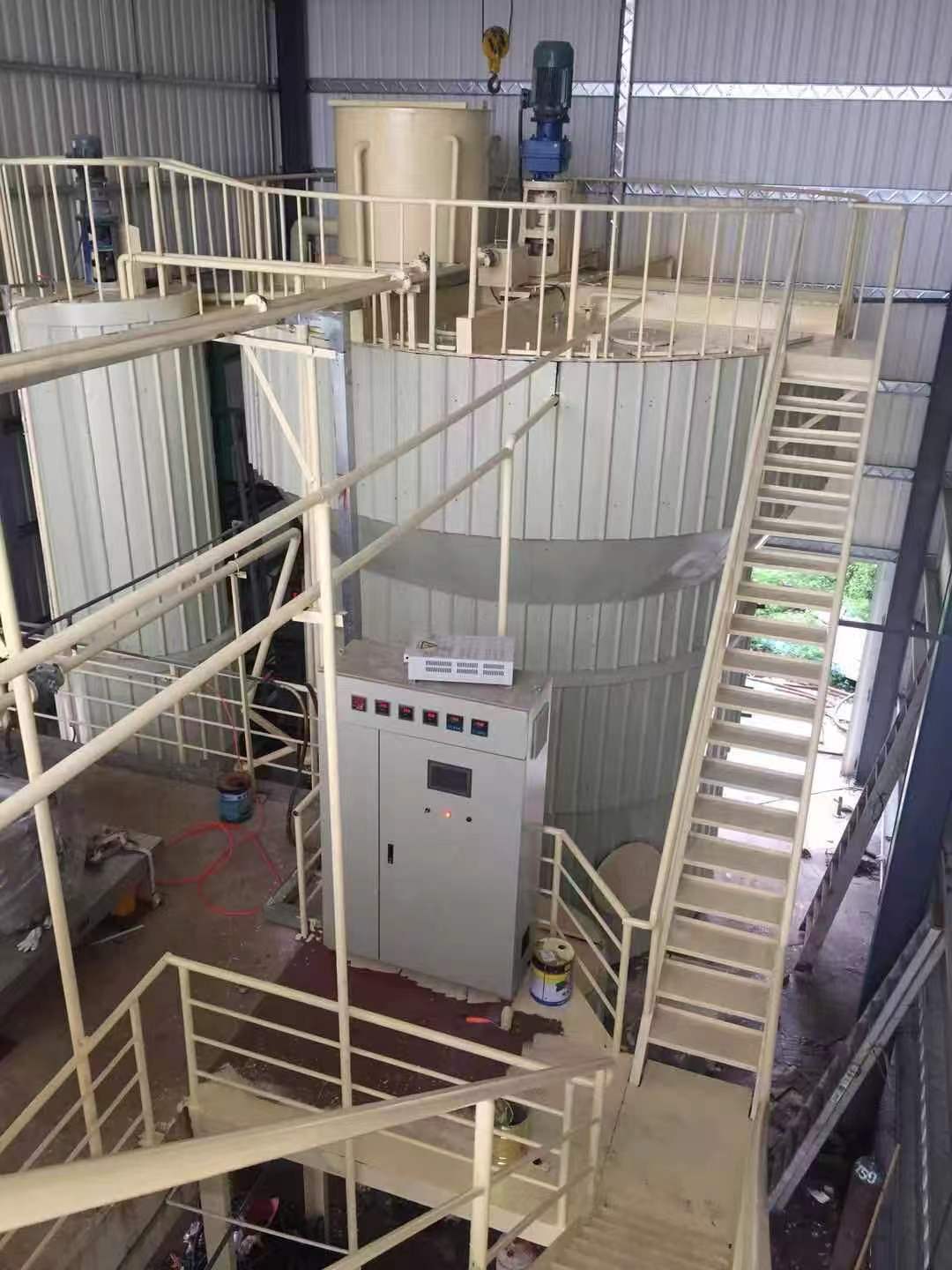
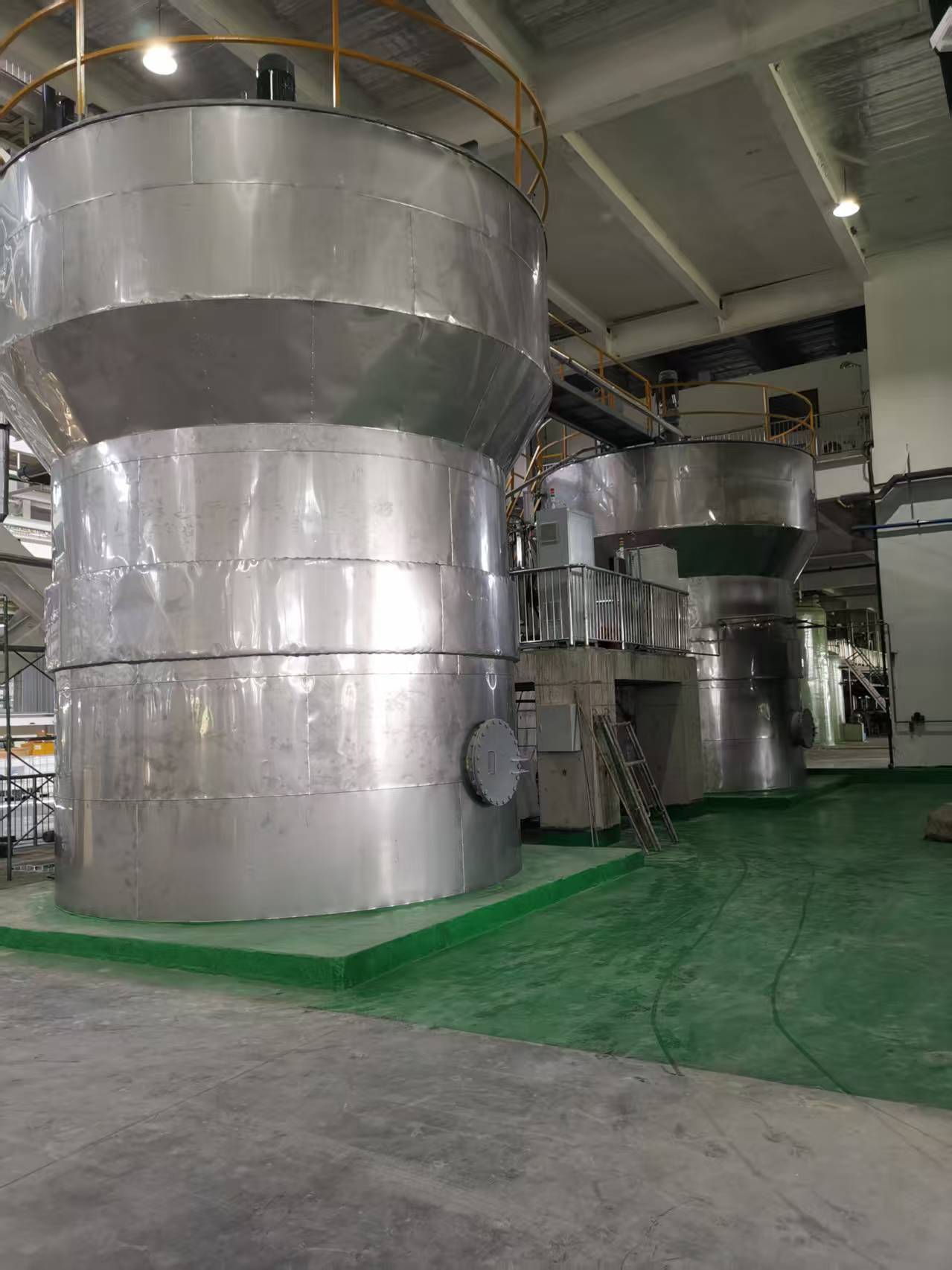
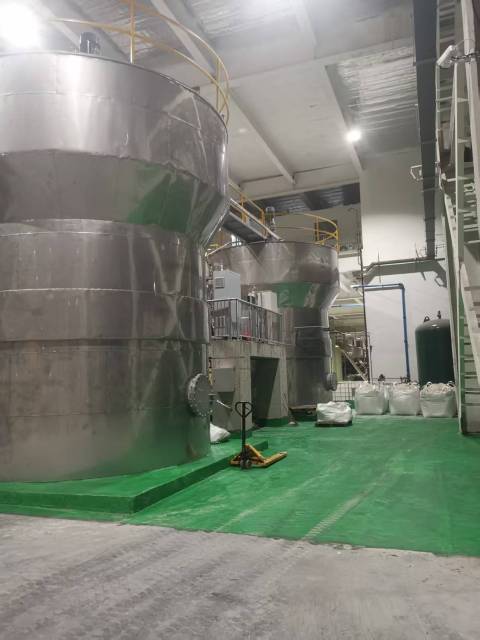
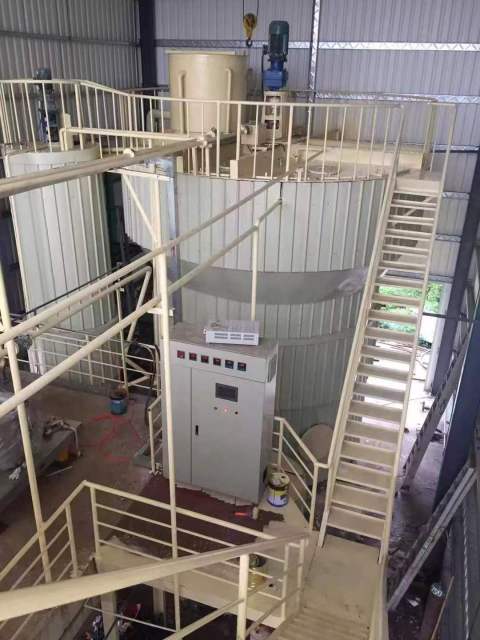
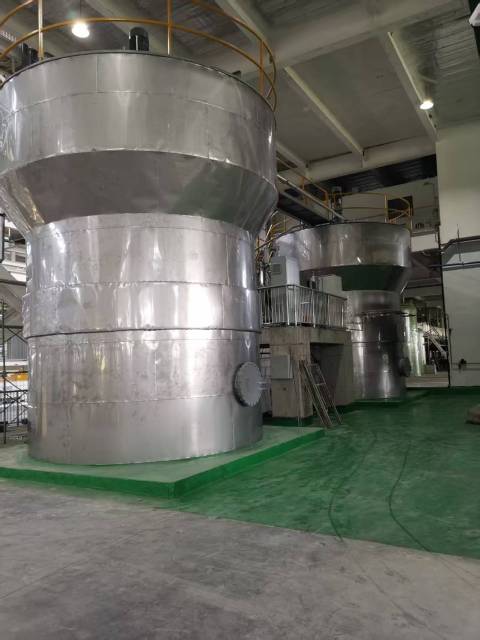
The alkali recovery unit takes advantage of the amphoteric property of aluminium hydroxide. After adding water inside the unit, supersaturated sodium aluminate is decomposed into two fractions: supernatant sodium hydroxide liquor and underflow aluminium hydroxide slurry.The recovered sodium hydroxide solution is recycled back to the alkaline etching tank for repeated production. Aluminium hydroxide is separated by centrifugation into saleable powdery by-product, and the sodium hydroxide recovery rate hits 95%. Sodium hydroxide loss is limited only to the portion carried out by aluminium profiles when exiting the tank, which drastically cuts alkali consumption.The whole system operates under dynamic equilibrium: the Al³⁺ concentration and bath volume in the alkaline etching tank are kept balanced with the sludge volume and liquid level inside the recovery unit, stabilizing Al³⁺ content in the etching tank and preventing sediment generation.
|
||||||||||||||||||||||||||||||||||||||||||||||||||||||||||||||||||||||||||||||||||||||||||||||||||||
|
Working Principle
|
1)The principle of alkali corrosion surface treatment process Al+NaOH+H2O→NaAlO2+3/2H2↑(Sodium metaaluminate) 2)Composition & Process Control Parameters of Alkaline Etching liquid(The tank composition and control parameters vary from factory to factory due to different production processes.) Total—NaOH 100g/L Free—NaOH 59g/L Al 28g/L Temperature 45 – 55℃ As stated in Point 1 above, aluminum continuously dissolves into the alkaline etching tank via alkali reaction, resulting in rising aluminum ion concentration and declining alkali concentration inside the tank. To maintain the process parameters specified in Point 2, most aluminum profile manufacturers currently adopt regular tank draining or full tank solution replacement。 |
|||||||||||||||||||||||||||||||||||||||||||||||||||||||||||||||||||||||||||||||||||||||||||||||||||
|
Working Principle of Alkali Recovery |
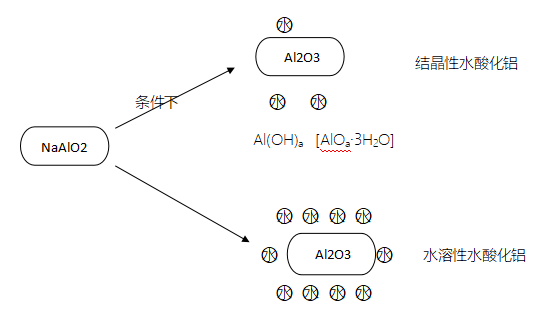
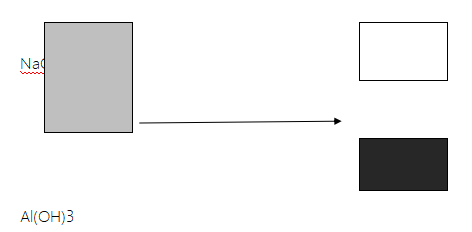
1)Process Flow Chart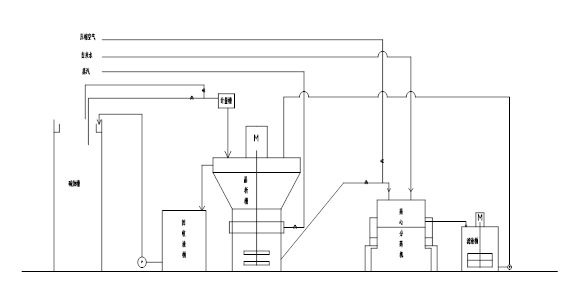 2)Response equation NaAlO2+2H2O→NaOH+Al(OH)3↓ (Sodium metaaluminate) Sodium aluminate can be hydrolyzed with added water under controlled conditions including temperature, lye concentration in the crystallizer and agitation speed.As below: |
|||||||||||||||||||||||||||||||||||||||||||||||||||||||||||||||||||||||||||||||||||||||||||||||||||
|
Feature of Alkali Recovery |
1)The usage of alkali has been reduced; Alkaline etching tanks is disposed of in two ways without an alkali recovery unit:
With the alkali recovery system, over 95% of sodium hydroxide is recycled, significantly cutting fresh alkali procurement cost. Separated aluminium hydroxide crystals can also be sold commercially to lower aluminium loss expenses.。 2)Improved Quality of Aluminium Profiles; To use alkali recovery device can effectively, quickly and stably control the composition of the alkaline etching tank solution, ensuring that each batch of aluminum profiles undergoes the same process. 3)Lower operating cost of the alkali recovery device; The alkali recovery unit has low failure frequency and low maintenance costs. It's failure rate can approach zero with standardized maintenance and operation in accordance with specifications. We provide on-site practical operation training for new operators until they master independent equipment operation. 4)Reduced sludge and solid waste generated during wastewater treatment.; After adopting the alkali recovery unit, all Al³⁺ from the alkaline etching tank is hydrolyzed by water addition and dewatered with a centrifugal separator to produce saleable aluminium hydroxide with low moisture content. |
|||||||||||||||||||||||||||||||||||||||||||||||||||||||||||||||||||||||||||||||||||||||||||||||||||
|
Benefit Analysis of Alkali Recovery (Based on annual output of 60,000 tons) |
|
|||||||||||||||||||||||||||||||||||||||||||||||||||||||||||||||||||||||||||||||||||||||||||||||||||